September 29, 2026
Blogs
When reliable vessel data recording matters, choosing the right VDR system makes a difference. KDU World provides Ocean Voyager VDR and S-VDR solutions designed to record, store, monitor, and review critical navigation and communication data. Ocean Voyager systems are designed to collect valuable data from a variety of systems on the vessel. They record navigation data, radar and ECDIS images, bridge and VHF audio data, and other data connected to them, depending on the model.
The exact recording capability depends on the selected model, but Ocean Voyager systems can bring together data from several important vessel systems. This includes:
Having these data sources recorded together provides a more complete view of vessel activity during a specific period.
The Ocean Voyager range includes the DR-100 VDR, DR-100S S-VDR, and DR-100L L-VDR. Each model offers different recording capacities and data coverage, helping vessel operators select a solution that matches their operational requirements.
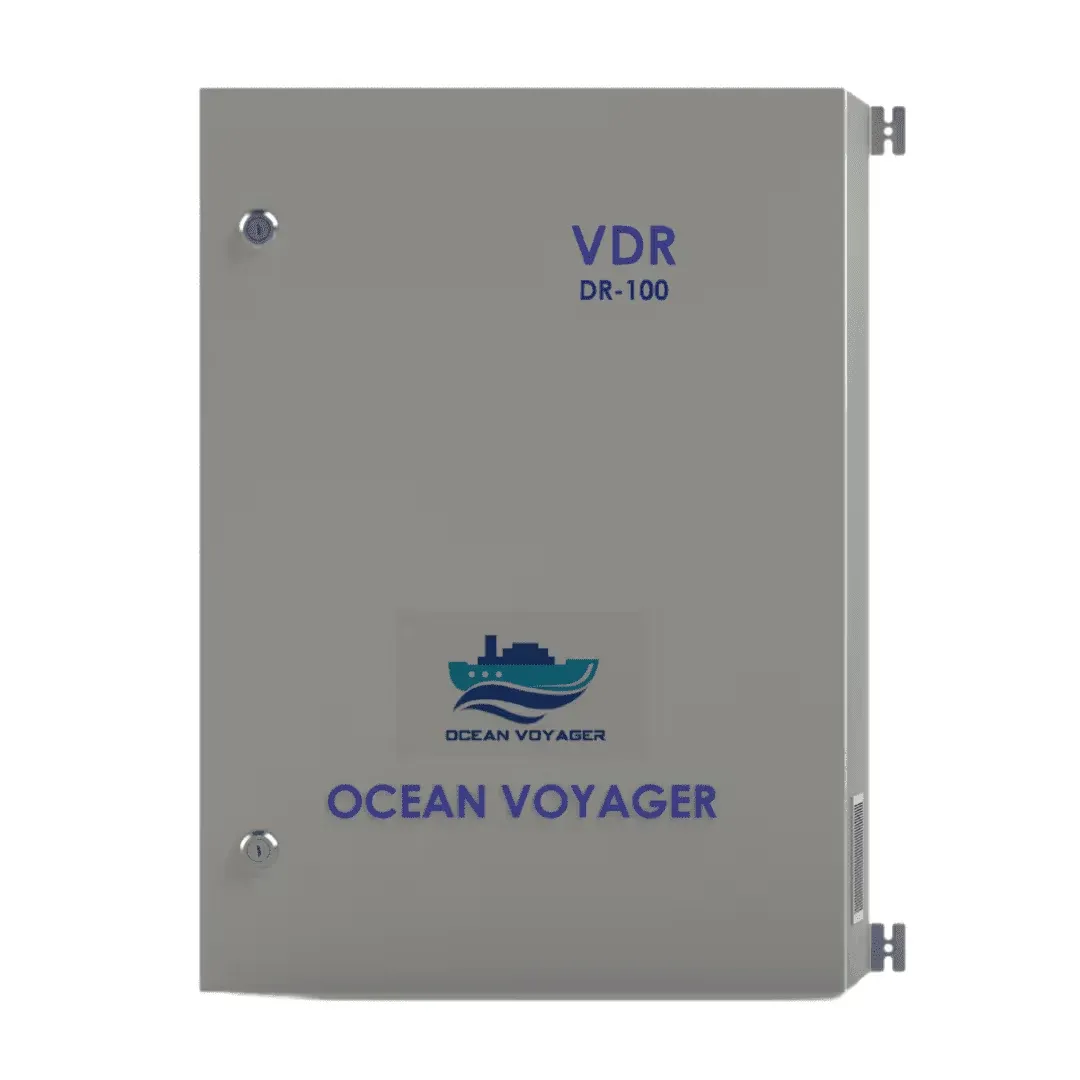
The DR-100 VDR is the most comprehensive system in the Ocean Voyager range. It provides extensive data recording across navigation, communication, and vessel systems. Key features include:
With support for multiple data formats and a higher number of image and audio channels, the DR-100 is suited to vessels that require broader data coverage.
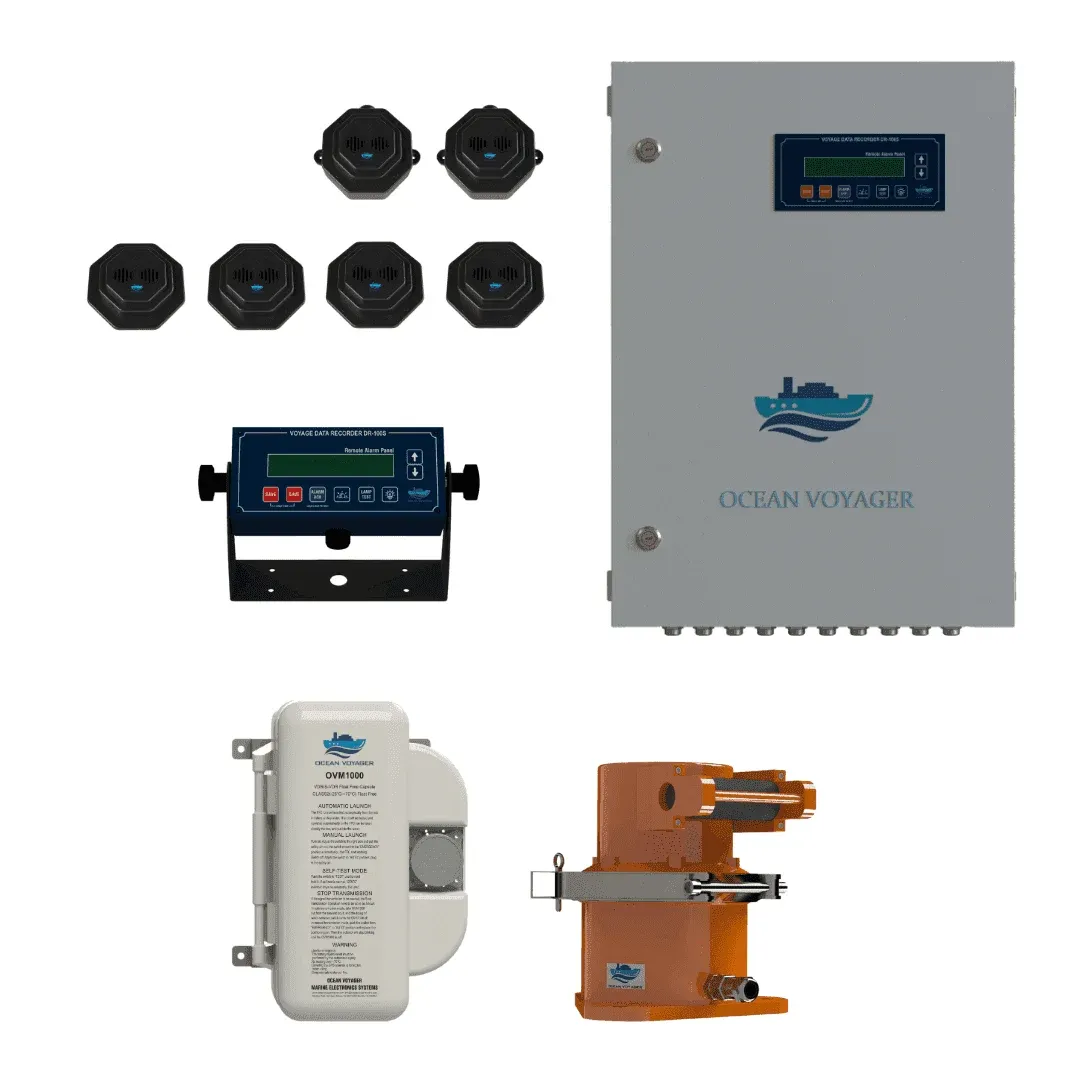
The DR-100S S-VDR provides a focused solution for recording essential vessel data. It is equipped with either a fixed or float-free capsule and offers a balance of core recording capabilities and storage. The system provides:
The DR-100S can be considered when a vessel requires essential VDR capabilities with a more focused recording configuration.
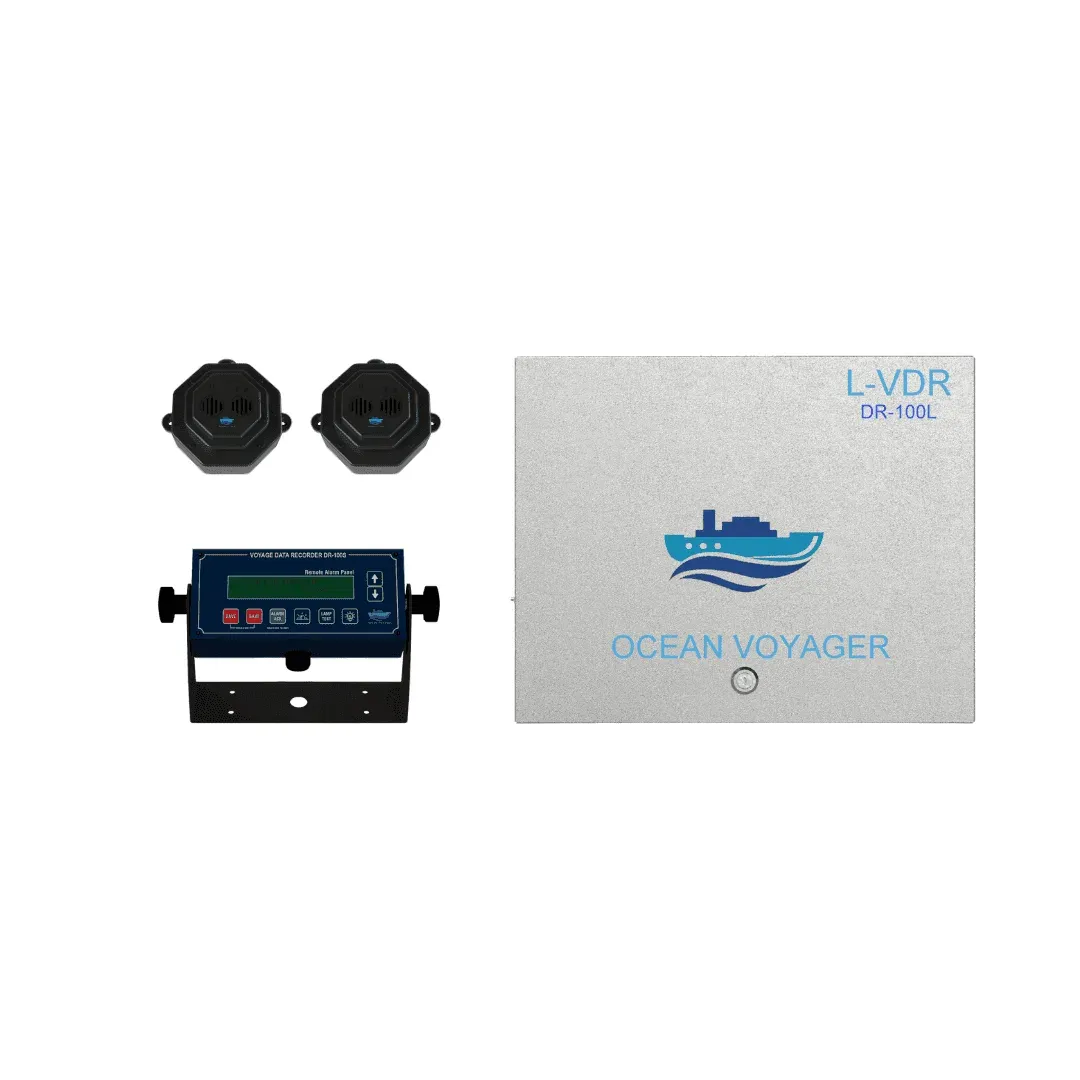
The DR-100L L-VDR is designed for vessels that need extended access to recorded data. Unlike the standard VDR and S-VDR options, it provides a significantly longer data download period. Its features include:
The DR-100L is a non-mandatory option, making it particularly relevant for operators looking for extended data access beyond standard regulatory recording requirements.
A VDR is not simply a storage device. The recorded information can be reviewed when operators need to understand what happened during a particular event. Ocean Voyager systems can support:
The main difference between the three Ocean Voyager VDR models is their recording scope and capacity.
| System | Key Capability |
|---|---|
| DR-100 VDR | Up to 48 hours of data storage, up to 4 radar/ECDIS channels, and serial, analogue, and digital data recording. |
| DR-100S S-VDR | Up to 24 hours of data storage in the Data Acquisition Unit and up to 2 radar/ECDIS channels. |
| DR-100L L-VDR | Up to 30 days of data download and up to 2 radar/ECDIS channels. |
The DR-100 is suited to vessels requiring comprehensive data recording. The DR-100S focuses on essential VDR data recording, while the DR-100L offers extended data access as a non-mandatory option.
When selecting a VDR, there is more to it than simply considering storage. Vessel operators must take into account the types of data to be collected, duration of data recording, equipment integration, capsule set-up and operational considerations. KDU World's ocean navigation equipment offering includes the Ocean Voyager DR-100, DR-100S and DR-100L. This provides vessel operators the opportunity to have access to multiple recording setups in one product family. KDU World can assist with identifying the Ocean Voyager solution to choose from, whether it be a full data map, an essential VDR recording or extended access to vessel data.
Keep Reading