September 29, 2026
Blogs
In the vast expanse of the world’s oceans, maritime navigation is a complex dance of vessels traversing through waterways, ports, and shipping lanes. Ensuring the safety and efficiency of this navigation process is paramount, not only for the protection of vessels and crew but also for safeguarding the environment and facilitating global trade. One vital tool that plays a significant role in achieving these objectives is the Vessel Traffic System (VTS). In this blog, we delve into the workings of VTS and explore how it optimizes maritime navigation.
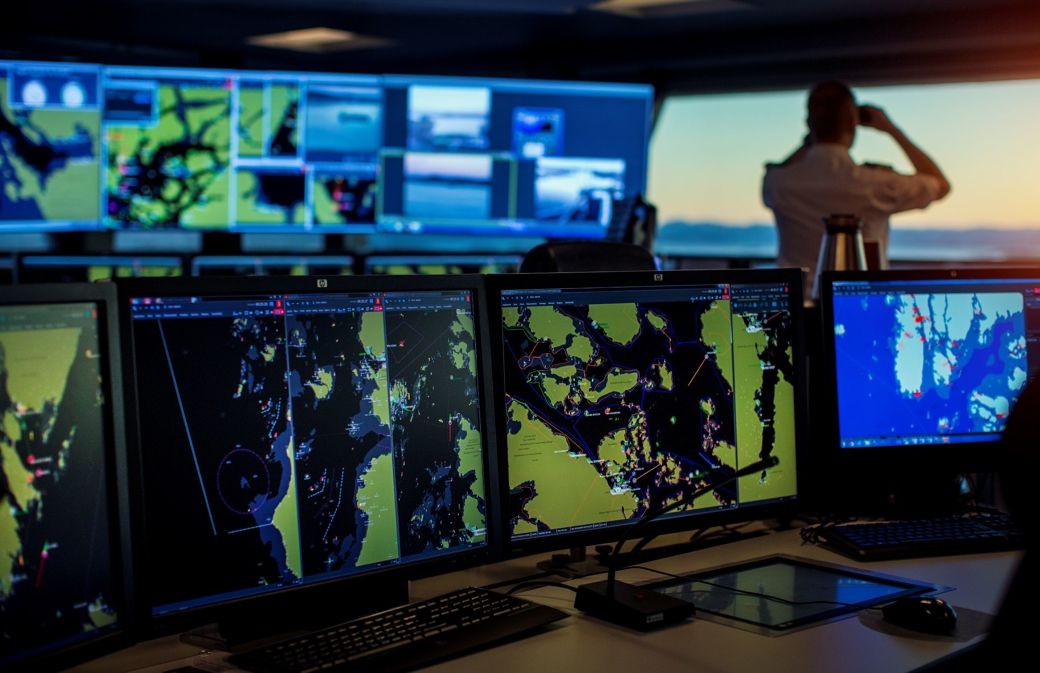
Vessel Traffic System (VTS) is a sophisticated network of technologies and services designed to monitor and manage vessel traffic in a specific maritime area. These systems utilize a combination of radar, Automatic Identification System (AIS), closed-circuit television (CCTV), and other sensor technologies to provide real-time information on vessel movements, weather conditions, and navigational hazards. VTS operators stationed in control centers analyze this data to offer guidance to vessels, prevent collisions, and respond swiftly to emergencies.
Safety is paramount in maritime navigation, and VTS plays a pivotal role in ensuring it. By continuously monitoring vessel movements and detecting potential risks, VTS operators can provide timely alerts to ships, enabling them to take evasive actions and avoid collisions. Moreover, VTS facilitates efficient traffic management, reducing congestion in busy waterways and minimizing the likelihood of accidents.
Efficiency is another key benefit of VTS. By providing vessels with up-to-date information on navigational conditions, including weather patterns, currents, and other vessels’ positions, VTS helps optimize route planning and voyage scheduling. This not only saves time and fuel but also enhances the overall efficiency of maritime transportation, benefiting both ship operators and the environment.
VTS also contributes to environmental protection efforts by monitoring vessel emissions, enforcing speed limits in sensitive areas, and facilitating the implementation of pollution control measures. By promoting responsible navigation practices, VTS helps mitigate the environmental impact of maritime activities and supports sustainable ocean management initiatives.
In addition to its proactive role in preventing accidents, VTS plays a crucial role in emergency response situations. In the event of a maritime incident, such as a collision, grounding, or oil spill, VTS operators can quickly coordinate rescue operations, dispatch response vessels, and provide vital support to affected ships. This rapid response capability is instrumental in minimizing the consequences of maritime emergencies and safeguarding lives and the environment.
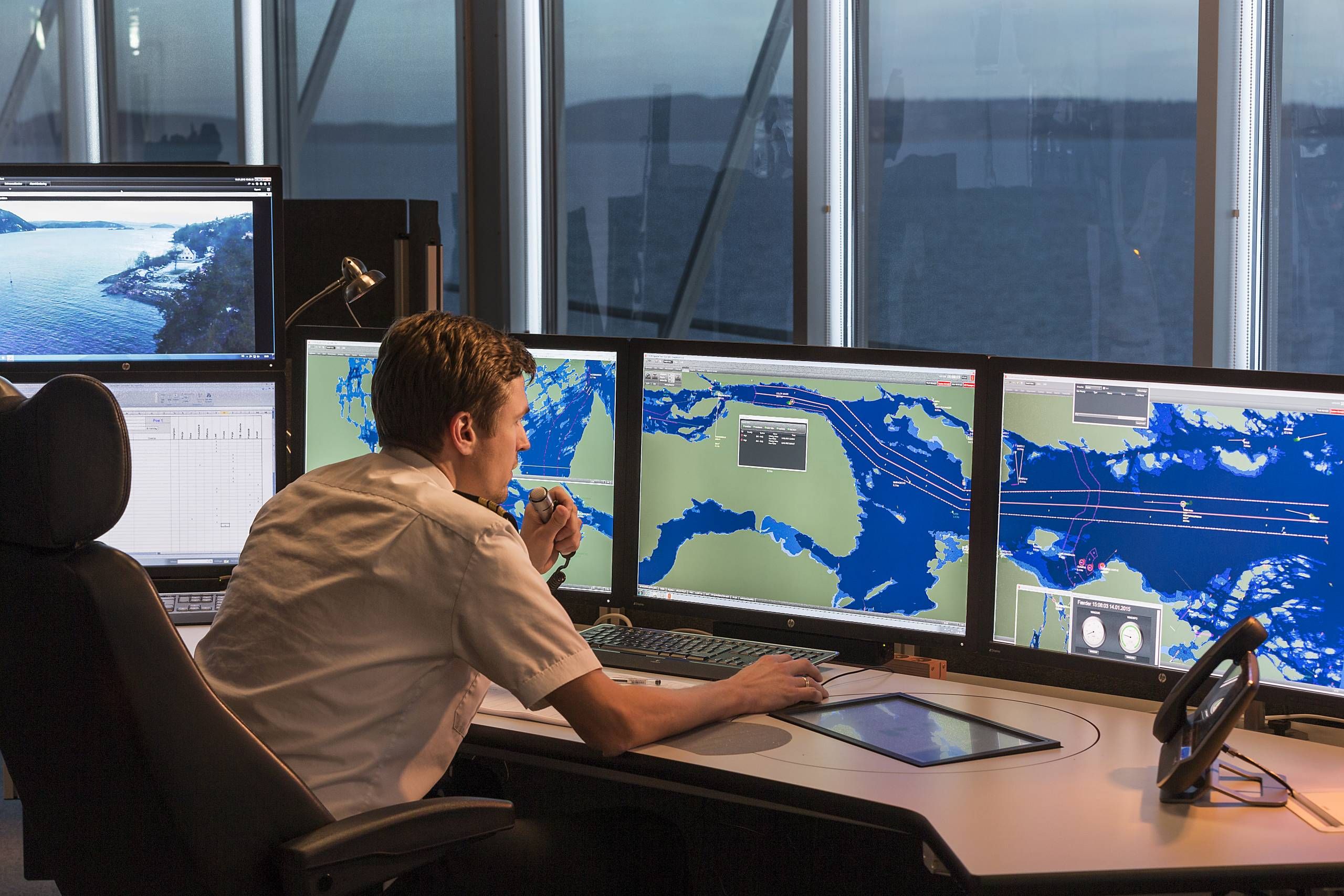
The vessel traffic system serves as a vital tool for enhancing the safety, efficiency, and environmental sustainability of maritime navigation. By leveraging advanced technologies and real-time data analysis, VTS enables effective traffic management, proactive risk mitigation, and rapid emergency response. As the maritime industry continues to evolve, investing in robust VTS infrastructure and capabilities will be essential for ensuring the smooth flow of global trade and protecting our oceans. Join hands with KDU Group for cutting-edge solutions in maritime safety and navigation optimization.
Established in 2005, KDU Group has been successfully delivering innovative solutions and products around the world through its collaborations with global change makers, proving its reliability & expertise in both marine and industrial services.
Keep Reading