
September 29, 2026
Blogs

A new Dubai regulation now requires all ships plying its waters to be equipped with an active Automatic Identification System (AIS) aboard. The Dubai Ports Authority (DPA)-enforced rule covers all vessels, whether they are used for commercial services, tourism, or recreational purposes.
AIS has to be equipped and functioning continuously. It must also relay honest and concurring data according to international maritime policies. Ships that do not fit with an AIS or provide incorrect information could face fines, registration delay, license suspension, or even detention of the ship.
The Automatic Identification System (AIS) plays a critical role in current maritime safety. AIS increases the safety of the operation by controlling the dangerous situation of ships’ possible collisions. It is an automatic surveillance system and enables an ongoing transfer of navigational data between vessels and land-based authorities, including port control centers. AIS operates with VHF radio frequencies and can broadcast such important information as the name of a vessel, its identification number, position, speed, heading, and even the type of cargo in real-time.
Such real-time communication is important in avoiding maritime accidents, which may occur in waterways that are congested or busier, like the port of Dubai. In conditions with low visibility, e.g., in fog or at night when other methods of sighting and tracking are not available, AIS enables two ships to observe and track the movements of each other via a digital computer screen, serving as another fallback measure to radar and optical lookout.
In addition, port authorities and coastguards cannot do without AIS. It is a powerful tool in controlling the vessel traffic since the authorities are able to monitor the movement of ships, predict congestion, and act quickly when there arise any unusual circumstances or catastrophes.
Non-compliance with AIS provisions can have several strict consequences, including:
To ensure comfortable sailing and smooth operations, installing a compliant AIS system is now mandatory.
Being a certified supplier of marine equipment, KDU World offers a complete range of AIS systems, gyrocompasses, and supporting accessories to assist vessel navigation and regulation. All the products are in full compliance with international standards, with most being engineered to allow for easy installation, maximum durability, and system integration.
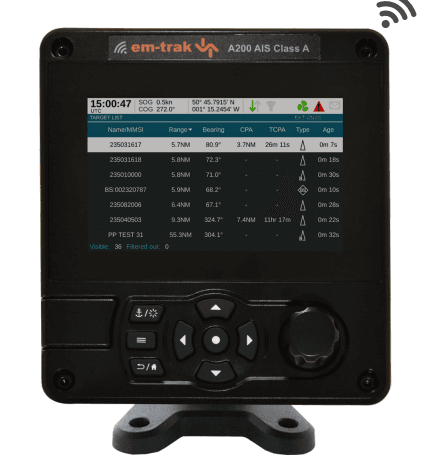
The A200 Class A is a SOLAS-approved AIS device suitable for all commercial vessels. It features an integrated color display and international and inland waterway approval.
Main features:
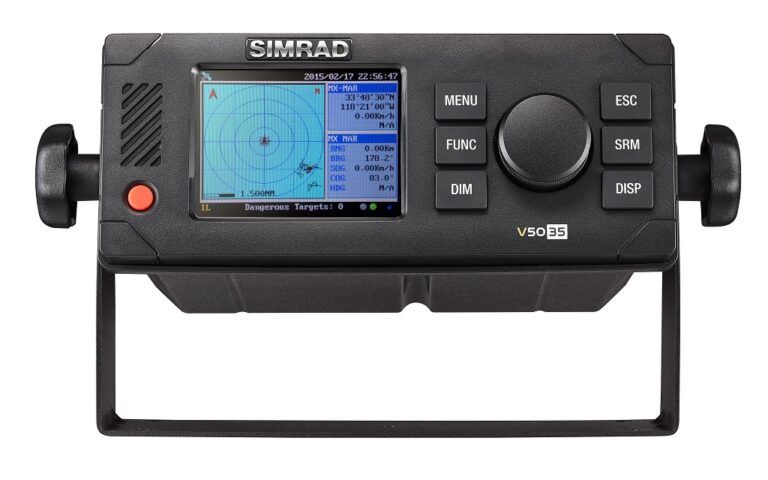
The SIMRAD V5035 is a Class A IMO-approved AIS transponder. It comes as an all-inclusive, self-contained system with a display, junction box, pilot port, and GPS antenna.
Primary features:
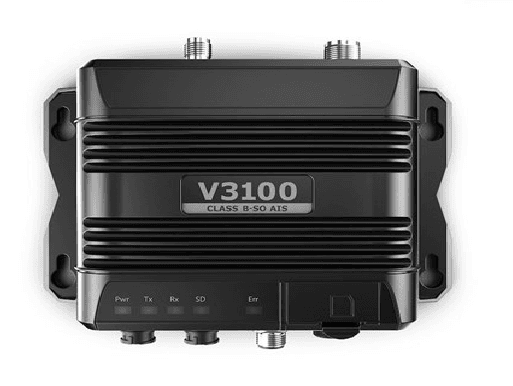
The SIMRAD V3100 Class B is designed for light commercial workboats and ships. It incorporates advanced SOTDMA technology, which provides higher data transmission frequency and range than the standard Class B AIS transceivers.
Key features:
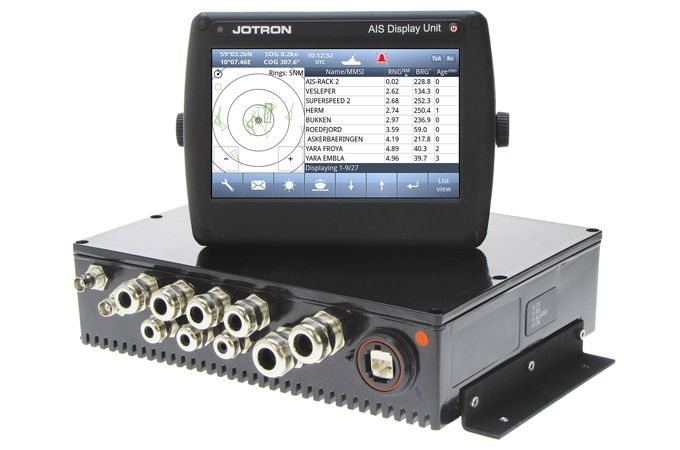
TRON AIS TR-8000: "Assembled, ready to install" IMO-conform AIS solution including antennas, pilot cable, and high-performance GPS receiver.
Main features:
Keep Reading